


-

Add: HeBei ShengShi HongBang Cellulose Technology CO.,LTD.
-

Email
13180486930@163.com -

CONTACT US
+86 13180486930




Hydroxypropyl Methylcellulose (HPMC) has seen a surge in demand across various industries, making the buying process an area of great interest. For those seeking to purchase HPMC, having a comprehensive understanding of the product, coupled with insights from industry professionals, is essential. An important characteristic of HPMC is its versatile applicability. With its non-toxic, tasteless, and odorless attributes, it is commonly used in pharmaceuticals, construction, food, and personal care products. In pharmaceuticals, HPMC acts as a binder and time-release agent, ensuring effective delivery of active ingredients. For construction, it enhances water retention and workability in products like cement and mortar, showcasing its pivotal role in the building sector. Purchasing HPMC demands expertise from industry insiders who emphasize the importance of quality . Experts recommend sourcing from certified manufacturers who adhere to international standards such as ISO and GMP. These certifications guarantee that the HPMC is manufactured under stringent quality control, ensuring product reliability and safety for end-users. Real-world experience highlights the importance of considering particle size and viscosity levels when buying HPMC. Different applications require specific viscosity ranges; for instance, higher viscosity HPMC is ideal for tile adhesives, whereas lower viscosity types might be better for pharmaceutical applications. Experienced professionals suggest requesting product samples to conduct application-specific tests before making bulk purchases. This not only ensures compatibility but also prevents potential product wastage. Authoritative voices in the industry emphasize the significance of understanding regional regulations. Product compliance can often vary depending on geographical location, affecting the import and usage of HPMC. Therefore, it is advisable to consult with regional experts and legal advisors to navigate through these regulatory frameworks effectively. hpmc buy Trustworthiness in the HPMC supply chain is another crucial factor. Buyers are advised to perform due diligence on suppliers. This includes reviewing company histories, customer testimonials, and case studies. Opting for suppliers with a proven track record, robust customer support and transparent business practices can significantly diminish risks associated with quality and delivery schedules. For ensuring seamless transactions, economic considerations play a pivotal role. Bulk purchasing can lead to significant cost reductions. However, financial experts suggest balancing purchase volume with inventory management to avoid overstocking, which could lead to increased holding costs. Developing a strategic purchasing plan with flexible terms can optimize financial outcomes while securing a steady supply of HPMC. Finally, leveraging technology can greatly aid in the HPMC procurement process. Utilizing supply chain management software can streamline operations, providing real-time updates on inventory levels, shipment tracking, and vendor communication. Such tools enhance efficiency, ensuring that the acquisition process aligns with business objectives. In conclusion, buying HPMC involves a blend of understanding its applications, ensuring quality through certified suppliers, adhering to regulations, establishing trust with vendors, managing economic factors wisely, and incorporating technological solutions. By focusing on these aspects, businesses can make informed decisions, optimizing the benefits of HPMC across their respective industries.
- 40000tons

Production
- 20+years

Experience
- 5000+㎡

Acreage

-
Hydroxypropyl Methylcellulose (HPMC) is a highly versatile and reliable compound used across various industries for its remarkable properties. Whether you're in the construction, pharmaceutical, food, or cosmetic sectors, hydroxypropyl methylcellulose plays an essential role in improving the quality and performance of your products. Known for its ability to act as a binder, thickener, film-former, and stabilizer, HPMC is an indispensable ingredient in modern manufacturing processes. Discover the many benefits of hydroxypropyl methylcellulose and how it can elevate your products. Hydroxypropyl Methylcellulose Function: Enhancing Quality and Performance The hydroxypropyl methylcellulose function is vast and incredibly beneficial in various applications. As a cellulose derivative, HPMC serves several crucial roles, including thickening, water retention, and improving workability in construction materials like tile adhesives and cement. Additionally, hydroxypropyl methylcellulose is commonly used in pharmaceuticals as a binder and controlled-release agent for tablets and capsules. In the food industry, HPMC is often added to enhance texture, stabilize emulsions, and provide moisture retention. Whether for construction, food, or personal care products, the hydroxypropyl methylcellulose function is essential in achieving superior product performance. Where to Buy Hydroxypropyl Methylcellulose: Quality and Affordability When you decide to buy hydroxypropyl methylcellulose , choosing a reliable supplier is key to ensuring you receive high-quality products at competitive prices. Whether you need hydroxypropyl methylcellulose for construction, pharmaceuticals, or food applications, our products meet the highest standards of quality. We offer a wide selection of hydroxypropyl methylcellulose grades to suit your specific needs, with easy ordering and fast delivery options. When you buy hydroxypropyl methylcellulose from us, you're investing in a product that guarantees consistent performance and outstanding results in all applications. Hydroxypropyl Methylcellulose Price: Affordable Solutions for Your Needs Looking for an affordable solution to enhance your products? The hydroxypropyl methylcellulose price is often influenced by factors such as the grade, quantity, and supplier. However, despite the variations in pricing, hydroxypropyl methylcellulose remains a cost-effective solution for many industries. By choosing the right supplier, you can find hydroxypropyl methylcellulose at a price that fits your budget, all while ensuring high-quality results. Our competitive hydroxypropyl methylcellulose price ensures that you can access premium-grade materials without breaking the bank, making it an excellent investment for your manufacturing needs. Why Choose Our Hydroxypropyl Methylcellulose for Your Projects? When it comes to quality, consistency, and performance, our hydroxypropyl methylcellulose products stand out. We offer a wide variety of HPMC grades suitable for various industries, including construction, pharmaceuticals, food, and cosmetics. Whether you're looking to improve adhesion, water retention, or texture, our hydroxypropyl methylcellulose is formulated to meet your specific requirements. With reliable customer service, fast shipping, and competitive pricing, choosing us for your hydroxypropyl methylcellulose needs ensures you get the best product at the best value. Hydroxypropyl Methylcellulose FAQs What is hydroxypropyl methylcellulose used for? Hydroxypropyl methylcellulose (HPMC)is used in a wide range of industries for its excellent properties. It functions as a thickener, binder, stabilizer, and emulsifier in construction materials (such as tile adhesives and cement), pharmaceuticals (as a binder and controlled-release agent), food (to enhance texture and retain moisture), and cosmetics (to improve viscosity and texture). Its versatility makes it an essential ingredient for many manufacturing processes. What is the function of hydroxypropyl methylcellulose in construction? In construction, hydroxypropyl methylcellulose plays a critical role in improving the workability and water retention of cement-based products like tile adhesives, grout, and mortar. It helps to prevent premature drying, allowing the mixture to remain workable for longer periods and improving its adhesion to various surfaces. This enhances the overall durability and strength of construction materials, making HPMCa crucial component in the building industry. How can I buy hydroxypropyl methylcellulose for my project? You can buy hydroxypropyl methylcellulose from trusted suppliers like us, who offer a wide range of HPMC products for various industries. Whether you're in construction, pharmaceuticals, or food processing, we have the right grade of hydroxypropyl methylcellulose to meet your needs. Simply visit our website, browse our product catalog, and place your order with ease. We offer competitive prices, fast delivery, and excellent customer support. How much does hydroxypropyl methylcellulose cost? The hydroxypropyl methylcellulose price depends on several factors, including the grade, quantity, and supplier. However, we strive to offer the most competitive prices without compromising on quality. Our hydroxypropyl methylcellulose is affordable and provides excellent value, ensuring that you get a high-performance product at a reasonable price. For bulk orders, we also offer discounted rates to help you save on large projects. Why should I choose your hydroxypropyl methylcellulose products? Our hydroxypropyl methylcellulose products are carefully manufactured to meet the highest industry standards, ensuring superior performance and consistency. Whether you need HPMCfor construction, pharmaceuticals, or other applications, we offer the best quality at competitive prices. We are committed to providing you with reliable products, fast delivery, and excellent customer support to ensure the success of your project. Choose us for all your hydroxypropyl methylcellulose needs.
-
Hydroxypropyl Methyl Cellulose (HPMC) has emerged as a versatile material in various industries, offering unique properties that benefit a wide range of applications. In underwater concrete, it plays a critical role in improving the performance of the mixture. This article delves into the use of HPMC cellulose in underwater concrete, focusing on how it enhances durability, workability, and overall performance in challenging environments. HPMC Cellulose and Its Role in Underwater Concrete Mixes When discussing underwater concrete, it’s essential to highlight the importance of achieving the right consistency and strength under harsh conditions. HPMC cellulose significantly contributes to these properties by acting as a stabilizing agent. This particular form of cellulose is known for its water retention capabilities, which help keep the mixture workable for longer periods, especially in environments like underwater construction where the concrete is subjected to challenging pressures and varying temperatures. In underwater concrete, where the mixture is prone to washing out or segregation, HPMC ensures that the aggregates stay properly dispersed, leading to a more uniform and durable mix. By controlling the rate of hydration, HPMC cellulose prevents the early loss of moisture that could weaken the structure, making it an invaluable component in creating strong, resilient underwater concrete. The Role of HPMC Dextran in Enhancing Concrete Durability Another critical agent in underwater concrete is HPMC dextran . Combining HPMC with dextran, a complex sugar molecule, creates a modified form that enhances the concrete's ability to resist environmental stressors. Underwater construction sites often experience exposure to saltwater, which can significantly weaken concrete over time due to corrosion. With HPMC dextran , the concrete gains additional resistance to corrosion and chemical attack, extending the longevity of the structure. The presence of dextran in the mixture further improves the flowability of the concrete, making it easier to work with even under the most challenging conditions. This enhanced fluidity allows for better filling of complex molds and cracks in underwater environments, ensuring that the concrete cures effectively and remains durable. Using HPMC Dextran 70 for Specialized Underwater Concrete Applications For more demanding underwater projects, HPMC dextran 70 is the go-to choice. This specific grade of HPMC-dextran offers a higher molecular weight, providing superior thickening properties that contribute to even more stable concrete mixes. Whether constructing piers, bridges, or other submerged structures, HPMC dextran 70 provides the ideal viscosity for ensuring the mixture stays in place during application and hardens uniformly once in position. This enhanced viscosity also improves the handling of underwater concrete, reducing the risk of segregation and ensuring the mix remains intact as it sets. The higher molecular weight of HPMC dextran 70 contributes to increased water retention and slower curing rates, which are crucial in underwater applications where the setting time must be carefully controlled to avoid premature hardening or washout. HPMC Hydroxypropyl Methyl Cellulose: A Key Component for Enhanced Workability in Underwater Concrete The benefits of HPMC hydroxypropyl methyl cellulose go beyond simple moisture retention. This modified cellulose compound is known for its ability to improve workability, an essential factor when dealing with underwater concrete mixes. The concrete’s consistency directly impacts its ease of placement, particularly when pouring in deep or tight spaces underwater. By incorporating HPMC hydroxypropyl methyl cellulose , the mix maintains its workability, ensuring that the concrete can be easily manipulated and poured into molds or forms underwater. The material also contributes to an extended open time, which is especially beneficial for workers who need more time to finish and adjust the concrete before it sets. This additional flexibility is vital in large underwater projects where precision and timing are crucial. In conclusion, HPMC plays an indispensable role in the development of underwater concrete by improving its performance and longevity. Whether it's HPMC cellulose , HPMC dextran , HPMC dextran 70 , or HPMC hydroxypropyl methyl cellulose , these compounds are integral to creating concrete that can withstand the pressures and challenges of underwater environments. If you’re looking to achieve the highest standards in underwater concrete, consider integrating HPMC into your mix. Visit our website to explore more about our high-quality HPMC products and how they can revolutionize your construction projects.
advantages
-

200000 Viscosities
Excellent product
We can produce pure products up to 200,000 viscosities
-

40000 tons
High yield
We don’t stop production all year round, and the annual output can reach 40,000 tons
-

24 hours
Quality service
We provide 24-hours online reception service, welcome to consult at any time
———— Inquiry Form
Schedule A services

-
 hpmc_eye_drops_brands
Oct . 25, 2025
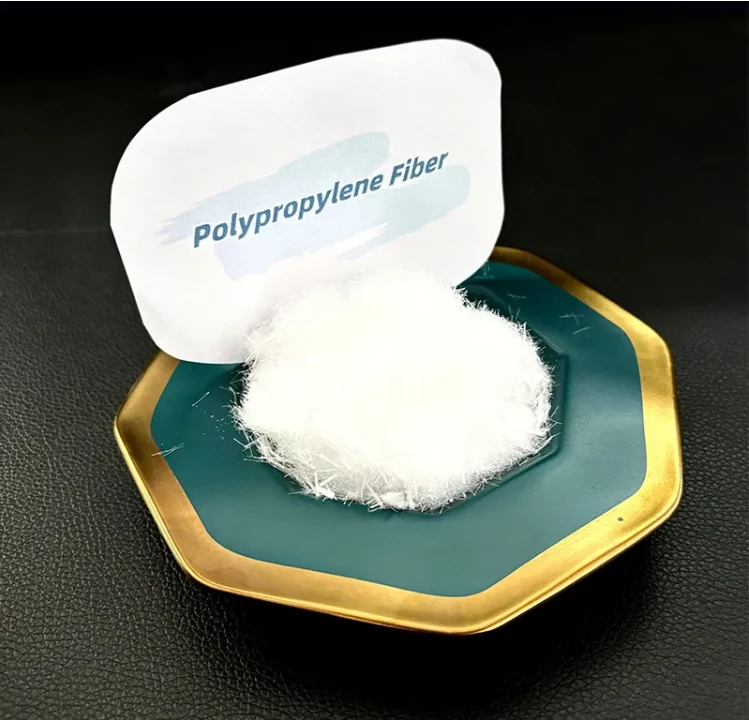
The Rise of PP Fiber Manufacturers A Look into the Industry In recent years, the global demand for p - hydroxypropyl_methyl_cellulose_cas_number
Oct . 25, 2025
Hydroxypropyl methylcellulose (HPMC) is a synthetic polymer widely used for its versatility and appl -
 gypsum_retarder_chemical
Oct . 25, 2025
Different Types of Synthetic Fibers Synthetic fibers have revolutionized the textile industry since


